The Toolbox We Inherited: What Grandad's Old Kit Says About Doing a Job Properly
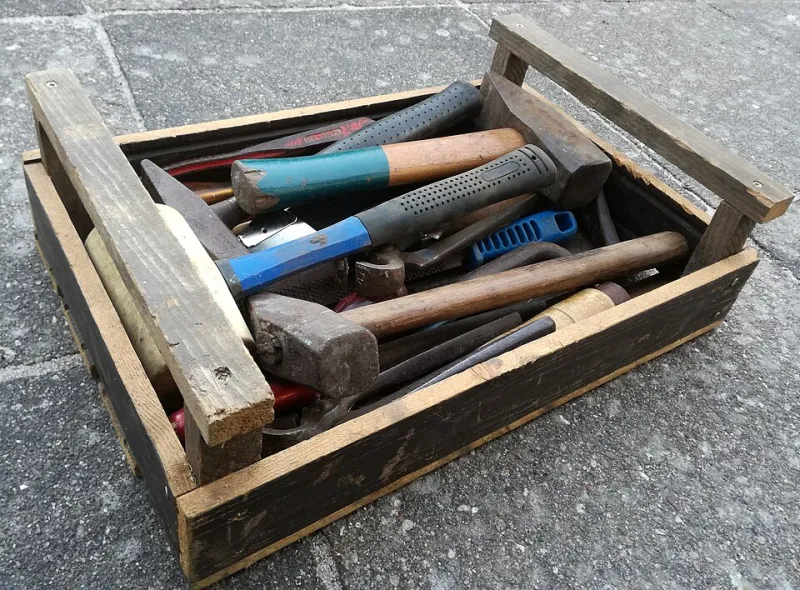
Photo: Ctsu, CC BY-SA 4.0, via Wikimedia Commons
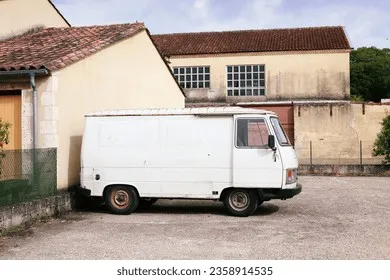
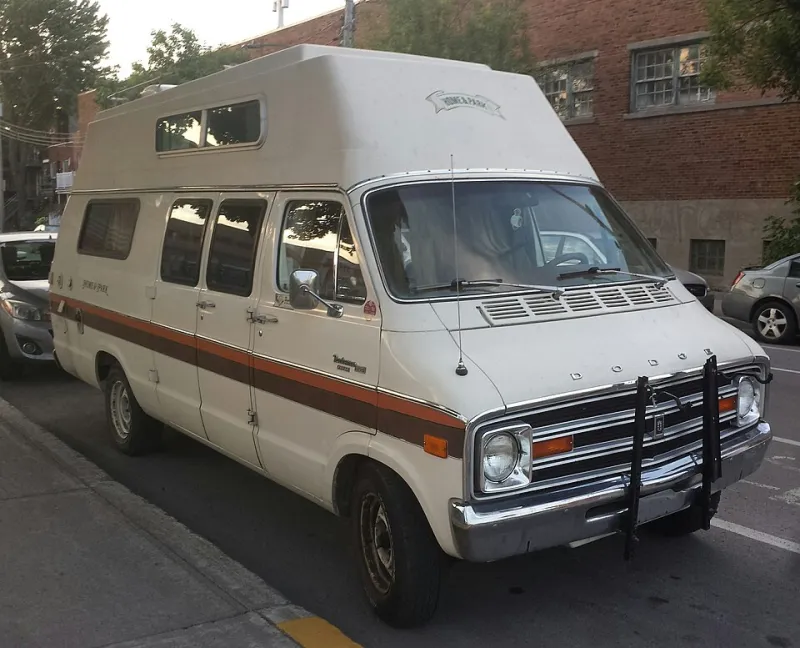
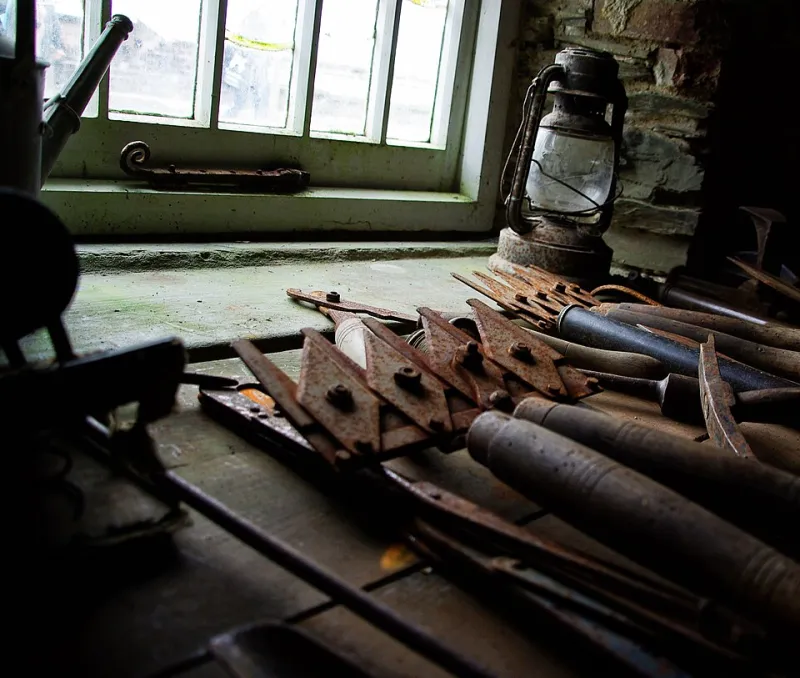
There's a wooden box in the back of our van that no customer has ever asked about. It's older than both of us, smells of linseed oil and brick dust, and has a latch that only opens if you lift the lid at exactly the right angle. It was Grandad's. And despite the fact that every single tool in it could be replaced tomorrow with something shinier and battery-powered, we wouldn't swap it for the world.
Not because we're sentimental for the sake of it — though a family firm is allowed a bit of that — but because that box has quietly taught us more about the trade than any course ever did. So pour yourself a brew and let us show you what's inside.
The Chisel With Half a Blade Left
The first thing you'll notice is a bevel-edge chisel worn down to about two-thirds of its original length. Grandad sharpened it on the same oilstone for forty-odd years, and every time we use it we're sharpening it the same way he did — same angle, same slow strokes.
What it taught us: good tools aren't bought, they're maintained. There's a temptation these days to treat everything as disposable. But a chisel that's been cared for since the 1970s still cuts cleaner than a brand-new one that's been chucked in a draw. Your home is much the same. A bit of regular attention beats a big expensive rescue job every time.
The Spirit Level Wrapped in Gaffer Tape
Next up: a 600mm spirit level with a strip of silver tape around the middle, hiding a dent from a fall down a ladder sometime in the mid-eighties. The bubble still reads true. We've checked it against newer levels more times than we'd care to admit, and it's never once lied to us.
What it taught us: a knock doesn't mean a tool's finished, and a setback doesn't mean a job's finished either. Half of the work we do is sorting out problems that someone else gave up on. Patience wins.
The Notebook That Survived Everything But Time
Grandad kept a little hardback notebook in his chest pocket — measurements, customer names, sketches of door frames. The ink has faded but you can still make out jobs from streets we still work on today. Some of the houses he measured up, we've since been back to for the next generation of the same family.
What it taught us: write things down and remember who you worked for. It sounds old-fashioned, but knowing your patch — the houses, the people, the quirks of a 1930s semi versus a Victorian terrace — is worth more than any app. It's why we still keep notes on every job, even now.
The Hammer That Refuses to Retire
One claw hammer, handle replaced twice, head original. The shaft of ash that's on it now was shaped by hand with a spoke shave, because buying a replacement handle was apparently "wasting money on something I can make better myself." He wasn't wrong. It fits his hand, and now it fits ours.
What it taught us: if you can repair it properly, repair it. We'll always tell you when a fix is the sensible option and a replacement is the honest one — and we'll never sell you work you don't need.
Why This Matters to You
You might reasonably ask what any of this has to do with the job we do at your place. Fair question. Here's our answer: the tools are just the evidence. What they really show is a way of working — take your time, look after what you've got, know your streets, and leave things better than you found them.
That wooden box rides in the van every day not as a mascot but as a reminder. When we turn up at your door, we're carrying the same standards Grandad carried, even if the drill is cordless now and the van has a reversing camera.
Some things are worth upgrading. The way you treat people and their homes isn't one of them.