Twelve Years, 180,000 Miles and Counting: In Defence of Our Old Van
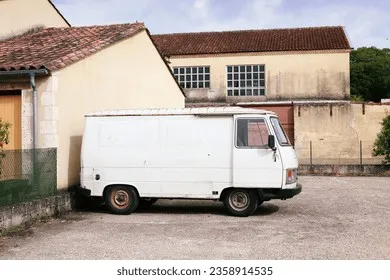
Photo: old white tradesman work van parked on British street morning, via image.shutterstock.com
There's a dent in the nearside panel of our van that we've stopped noticing. It happened on a job in Huddersfield about eight years ago — a gate that swung wider than expected — and every time we've had a quote to sort it, the money's gone on something more useful instead. A new blade for the saw. A round of coffees on a frosty morning. That sort of thing.
Some firms replace their vans every three years. Ours is coming up on twelve, with the mileage dial somewhere past 180,000. And we're not embarrassed about it. If anything, we're quietly proud.
What a Van Actually Carries
It's easy to think of a van as a box on wheels. But think about what ours has held over the years. Every boiler we've swapped. Every length of guttering, every bag of sand, every radiator that took three of us and a bit of creative language to get up a narrow staircase.
There's a pencil mark inside the bulkhead where my dad measured a worktop to check it would fit. There's a stashed fiver in the door pocket from a job in 2019 that we found six months later and spent on chips. There's a reusable bag in the back that has, at various points, held a wedding present, a box of washers and a very unimpressed cat we rescued from a customer's wall cavity.
You can't buy that second-hand. And you certainly can't lease it.
The Case Against Shiny
Look, we understand the appeal of a new van. That new-vehicle smell, the warranty, the way it makes you feel when you pull up outside a customer's house. We get it — some of our competitors have fleets that look like they've driven straight out of a showroom.
But here's the thing: a flash van doesn't fix a leaking pipe any better than a tired one. The customer isn't paying for the van. They're paying for the person who steps out of it, knows what they're looking at, and sorts it properly.
Every pound we'd spend on a smarter motor is a pound we can't spend on training, on decent materials, or on keeping our prices fair. We'd rather invest in the kit that does the work and the people who do it well.
Reliability Is a Habit, Not a Feature
There's a lesson in that old van that goes beyond vehicles. Reliability isn't something you buy once — it's something you build, service by service, year by year. We look after her because she looks after us. Oil changed on time, tyres checked before they need checking, small niggles sorted before they become big ones.
It's the same with our customers. The folks who ring us year after year do so because we've shown up when we said we would, done what we said we'd do, and charged what we said we'd charge. None of that is glamorous. All of it adds up.
A new van starts depreciating the moment you drive it off the forecourt. Trust, done properly, only goes up.
One Day, She'll Retire
We're not naive. Eventually the old girl will cost more to keep going than she's worth, and we'll have to have the conversation. When that day comes, there might even be a tear or two in the yard.
But she won't go quietly, and she won't go to just anyone. Part of me thinks we should keep her — park her up, take the sign off, and let her rest. She's earned it.
Until then, if you see a slightly dented van trundling down your street at 7am with two thermoses and a ladder on the roof, give us a wave. That's just us, heading to another job, in the vehicle that's seen more of this area's homes than most of the people living in them.
And if you ever wondered what kind of firm we are — well, the van tells you most of it. A bit worn, completely dependable, and not trying to impress anyone. Just getting on with the work.