Twenty Years, One Patch: The Case for Knowing Your Streets Better Than Your Sat Nav
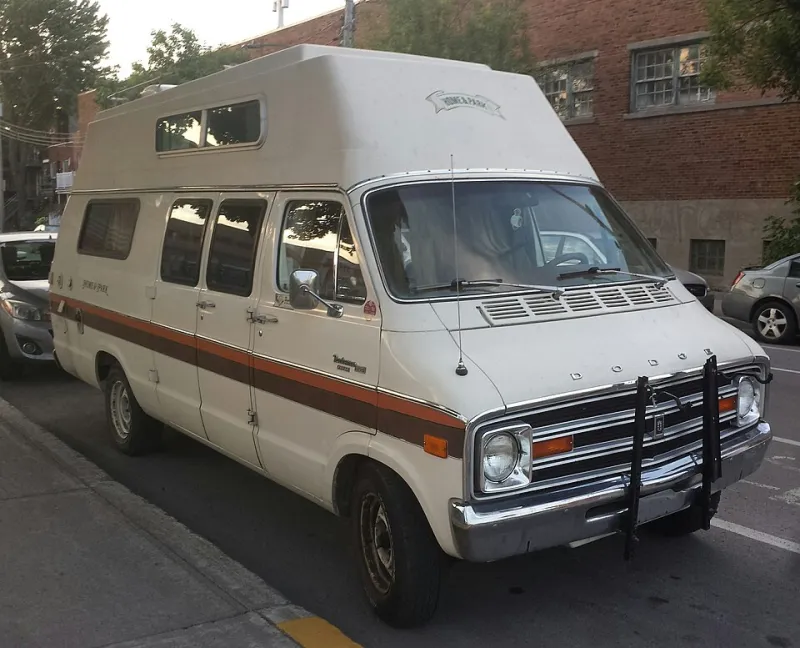
Photo: Bull-Doser, Public domain, via Wikimedia Commons
There's a sat nav in our van. It came with the vehicle, it works perfectly well, and on a run out to somewhere new it earns its keep. But day to day, it stays switched off. Because after twenty-odd years of working the same patch, we know these streets in a way no algorithm ever will.
And we'd argue that's not a small thing. It's part of what you're actually paying for.
What the Map Doesn't Show
Every area has its quirks, and you only learn them by turning up, again and again, year after year. We know which estates have parking so tight you're better off walking the tools from the corner. We know the cul-de-sacs where the turning circle looks generous on a map but isn't, in practice, when there are two cars and a skip involved.
We know which driveways turn into paddling pools after a proper downpour, so we park on the road rather than reversing in. We know the roads the bin lorries clog on a Thursday morning and the school-run bottlenecks at half past three. We know which houses have numbers hidden behind hedges, which gardens back onto an alley that makes tool-carrying easier, and which lanes narrow to a single car's width just after the bend where you can't see anything coming.
None of that shows up on a screen. All of it saves time, bother, and occasionally a scraped wing mirror.
Half the Job, Done Before Arrival
There's a real practical benefit to all this. When someone rings on a Monday and we say we can be there Tuesday morning, that estimate is honest — because we already know how long the drive actually takes at that time of day, not how long a map thinks it takes.
It means we can plan a sensible route around the day's jobs instead of trusting an app that cheerfully sends us through a level crossing that closes every twenty minutes. It means when we say "sometime between eight and half eight", we mean it.
For you, that adds up to something simple: fewer wasted mornings waiting in, fewer "we're five minutes away" calls that turn into forty. Local knowledge is punctuality you can't fake.
It Goes Both Ways
The other side of knowing the patch is that the patch knows us. Half the time we arrive at a job and recognise the house from one we did down the road a few years back. We know the builders' merchants that open early, the ones with the decent yard staff who'll load for you, and which one to avoid on a Saturday.
If you're new to the area, that's worth something too. We can tell you which neighbours have had the same guttering issue, or that the cul-de-sac has a shared drainage run that's caught people out before. We've seen enough roofs, drains, and dodgy DIY on these streets to spot a pattern before it becomes a problem.
Why We're Not Going Wider
People occasionally ask why we don't cover a bigger area. Honestly? Because we'd lose this. The moment you're driving forty minutes to every job, you become just another van with a sat nav. You arrive knowing nothing, you estimate blind, and the customer becomes a pin on a map.
Keeping the patch tight means we keep everything that makes a family firm worth hiring: we know where we're going, we know who we're working for, and we'll likely still be around to see the work standing in ten years' time.
So if you ring us and we can tell you roughly when we'll be at your door without checking an app — that's not luck. That's twenty years of paying attention, and we reckon it shows.