What Should a Quote Really Cover? A Plain-English Guide to Fair Pricing
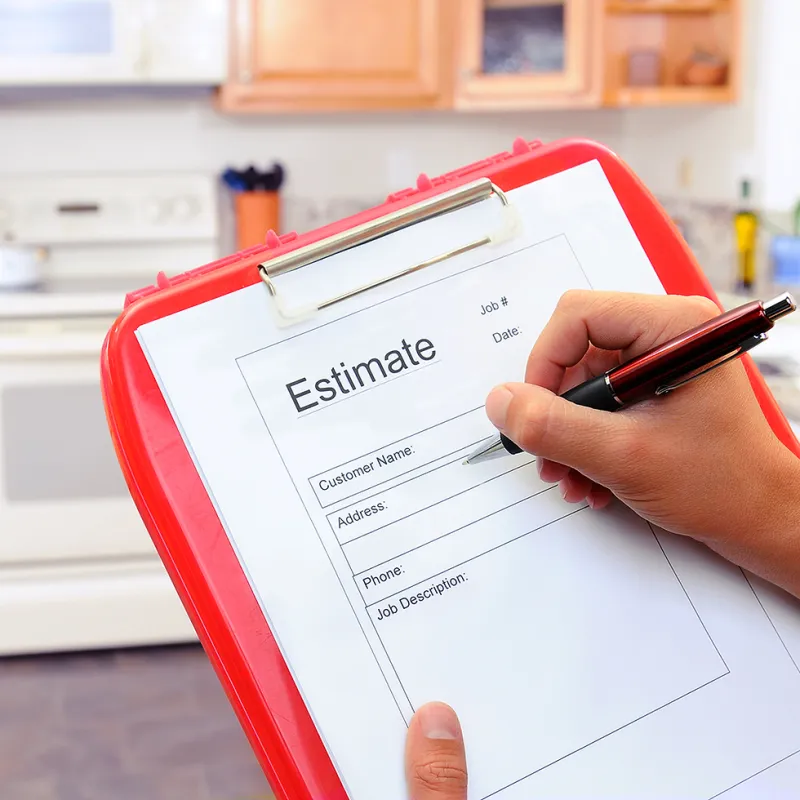
Photo: tradesperson writing estimate quote clipboard homeowner UK, via static.wixstatic.com
If you've ever asked three tradespeople to price the same job and received three wildly different numbers, you're not alone. It's one of the most common frustrations we hear about, and honestly, it's understandable. A leaking tap isn't going to cost £80 at one firm and £600 at another without a good reason — so where does that gap come from?
Let's pull back the curtain a bit. As a family firm, we'd rather customers understand how pricing works than feel like they're guessing in the dark.
The Building Blocks of a Price
Nearly every job comes down to the same handful of ingredients:
- Labour — how long the work will realistically take, including the awkward bits nobody mentions (parking, clearing up, trips to the merchant when something doesn't fit)
- Materials — what parts and supplies are needed, and whether you're paying trade prices or retail
- Overheads — insurance, van costs, waste disposal, certification fees. These aren't 'extras' being sneaked in; they're the cost of doing things properly
- Call-out fees — a fixed charge for turning up, common for emergency or short-notice work
A fair quote should account for all of these honestly. If someone quotes suspiciously low, it's usually because one of these has quietly vanished from the calculation — and it tends to reappear later as an 'unforeseen extra'.
Why So Cheapskate Quotes Cost More in the End
There's a well-worn saying in this trade: buy cheap, buy twice. A quote that's dramatically under everyone else's often means one of three things — the person hasn't priced the job properly, they're cutting corners on materials, or they're not insured. None of those end well for you.
We've been called out to fix plenty of jobs where the original 'bargain' installer used the wrong fittings or skipped a step to save an hour. The repair nearly always costs more than doing it right the first time would have.
Your Quote-Checking Checklist
Before you sign anything, run the quote through this simple list:
- Is it itemised? Labour, materials, and any extras should be listed separately, not lumped into one mystery figure.
- Are materials specified? 'Supply and fit a radiator' is vague. Which radiator? What quality? Vagueness is where corners get cut.
- Is VAT included? If the quote is from a registered business, VAT should be shown or clearly stated as included.
- Does it cover waste removal? Taking away old materials and rubble is a job in itself — check it's included.
- Is there a payment schedule? Deposit, stage payments, final balance — you should know exactly when money is due, and never the full amount upfront.
- Is it in writing? A text saying 'about £400, mate' is not a quote.
Questions Worth Asking Before You Commit
- How long have you been trading, and are you insured?
- Is this a fixed price, or an estimate that could change?
- What happens if you find something unexpected behind the wall / under the floor?
- Who's actually doing the work — you, or a subcontractor?
- What's your process if we're not happy with something?
A trustworthy trader will welcome these questions. If someone bristles at being asked whether they're insured, that tells you something too.
The Family Firm Difference
When your name's on the van — and you'll bump into your customers at the school gates or the local garden centre — you can't afford to leave them feeling short-changed. We price jobs the way we'd want them priced for our own mums: clear, itemised, and with no nasty surprises when the invoice lands.
A fair price isn't the cheapest one. It's the one where you know exactly what you're paying for, the work is done properly, and the person who did it would still look you in the eye at the shop a year later. That's the standard we hold ourselves to, and we'd encourage you to expect nothing less from whoever you hire.